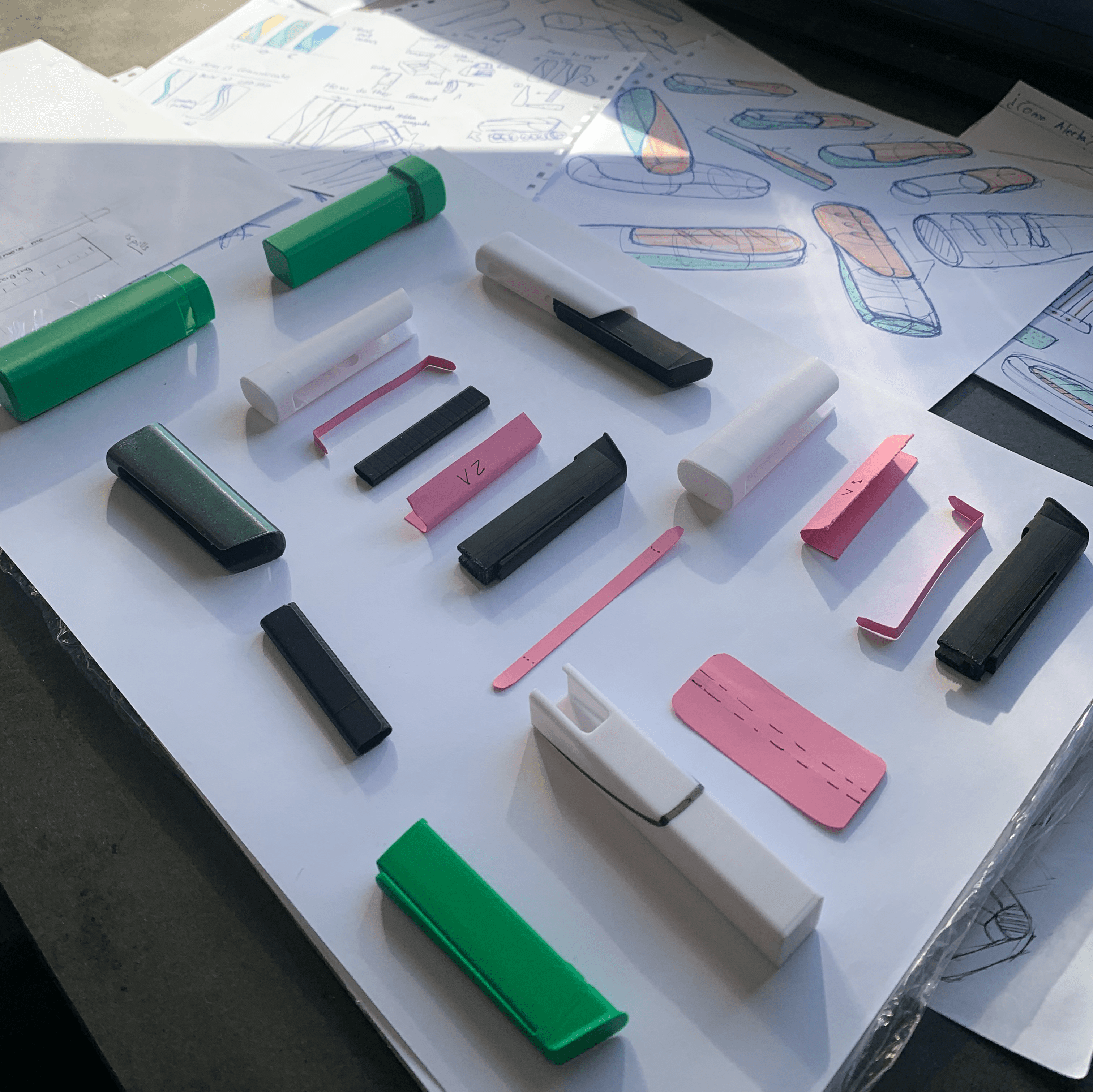
Physical Proptotypes
Bringing Ideas to the physical world
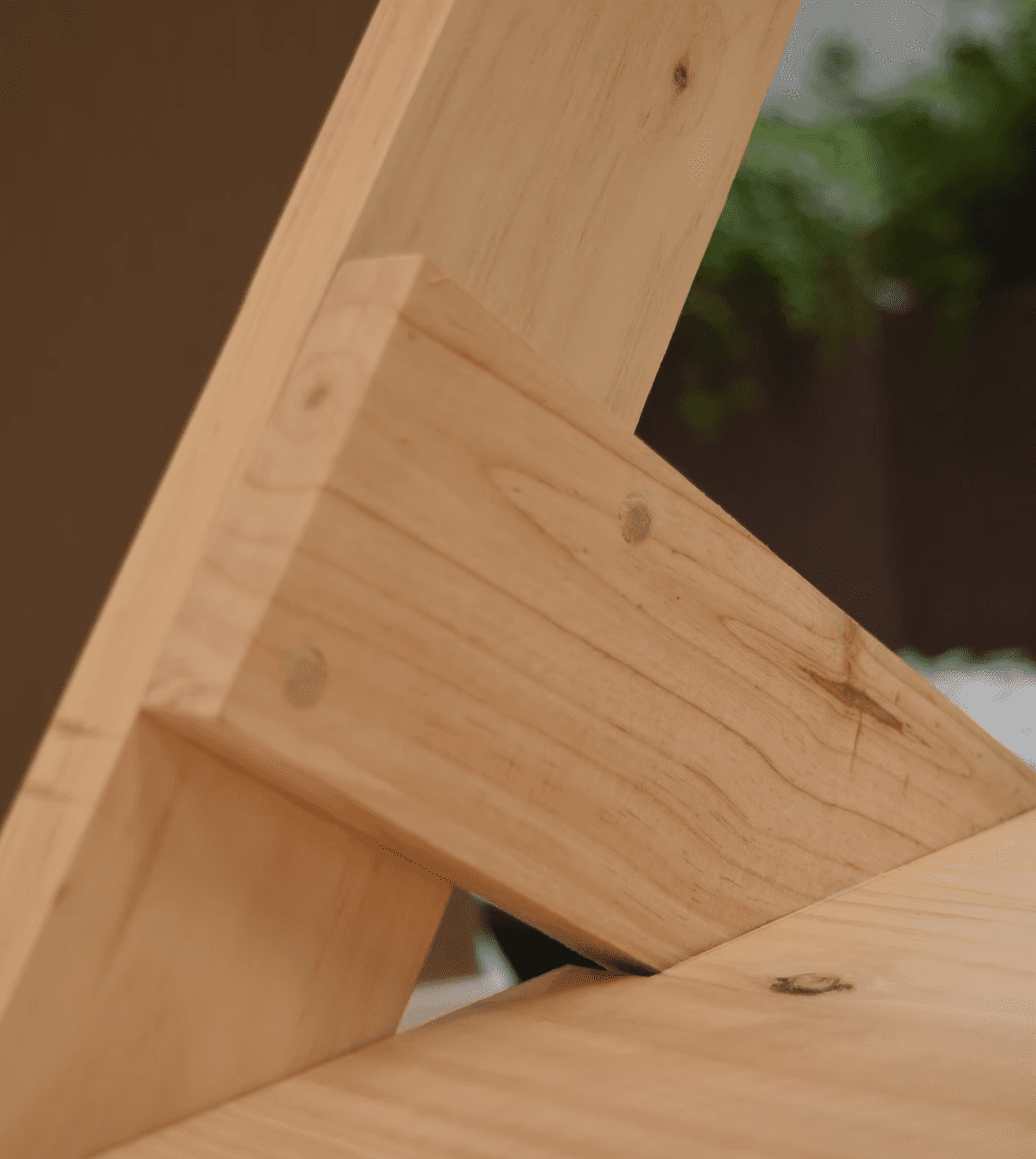
Intro
As a designer, I’ve learned that a prototype can communicate more than the most polished render or the most detailed 3D model. While digital design tools are invaluable, nothing compares to the tangible experience of interacting with a physical prototype. It’s where ideas become real, where flaws are revealed, and where innovation truly takes shape.
More Than Just a Visualization
A render can make a product look perfect, but a prototype tells the real story. It allows us to see, touch, and test a design in ways no screen can replicate. When holding a prototype, it's immediately clear if something feels comfortable, intuitive, or completely wrong. This hands-on feedback is invaluable, helping refine designs before they reach production.
3D Printing – A Powerful Tool, But Not the Only One
There’s no denying that 3D printing has revolutionized prototyping. It enables rapid iteration, complex geometries, and cost-effective testing. Materials like PLA, ASA, TPU, or carbon-reinforced nylon provide flexibility, strength, and heat resistance, making 3D printing a go-to tool for functional parts.
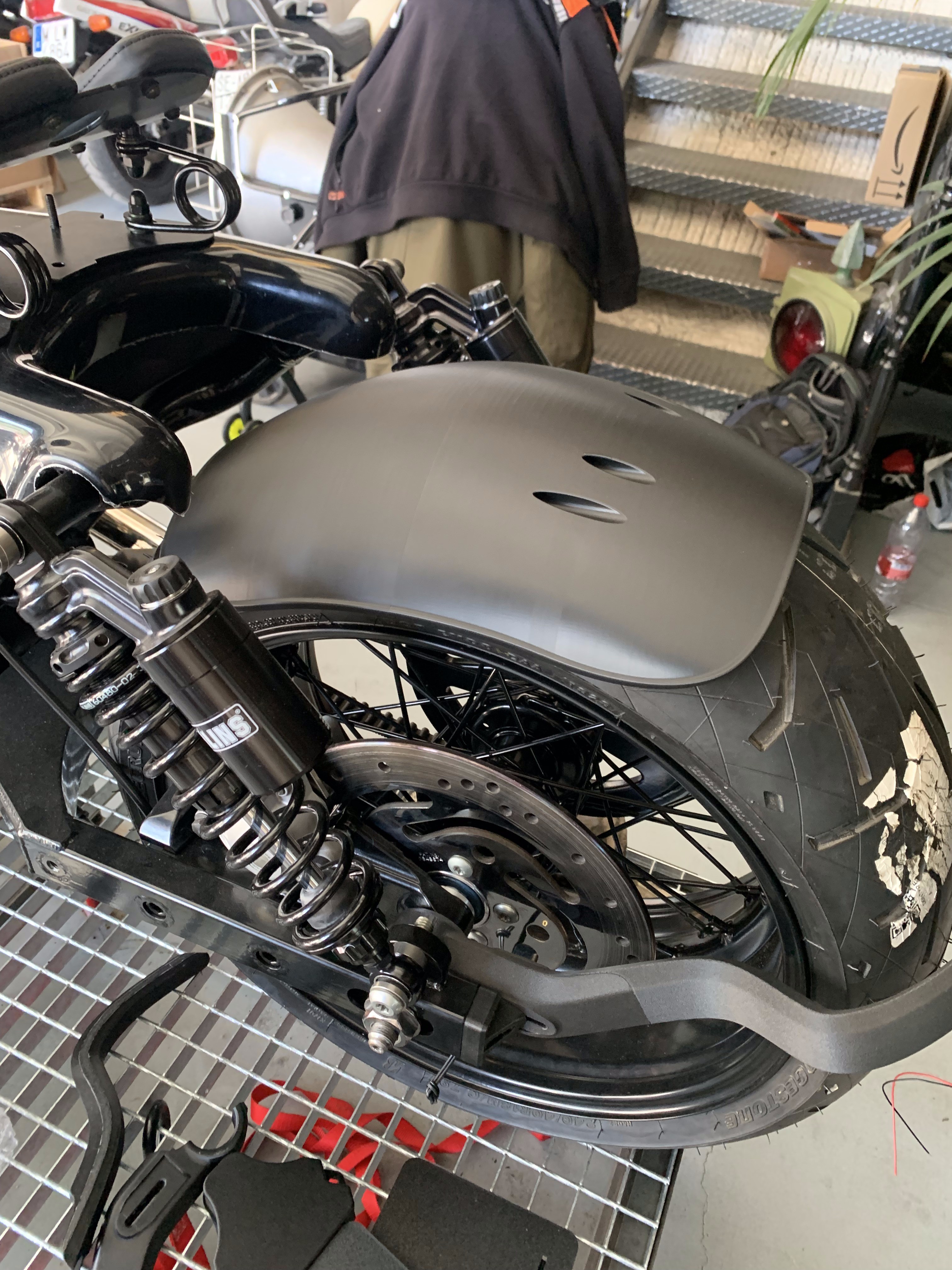
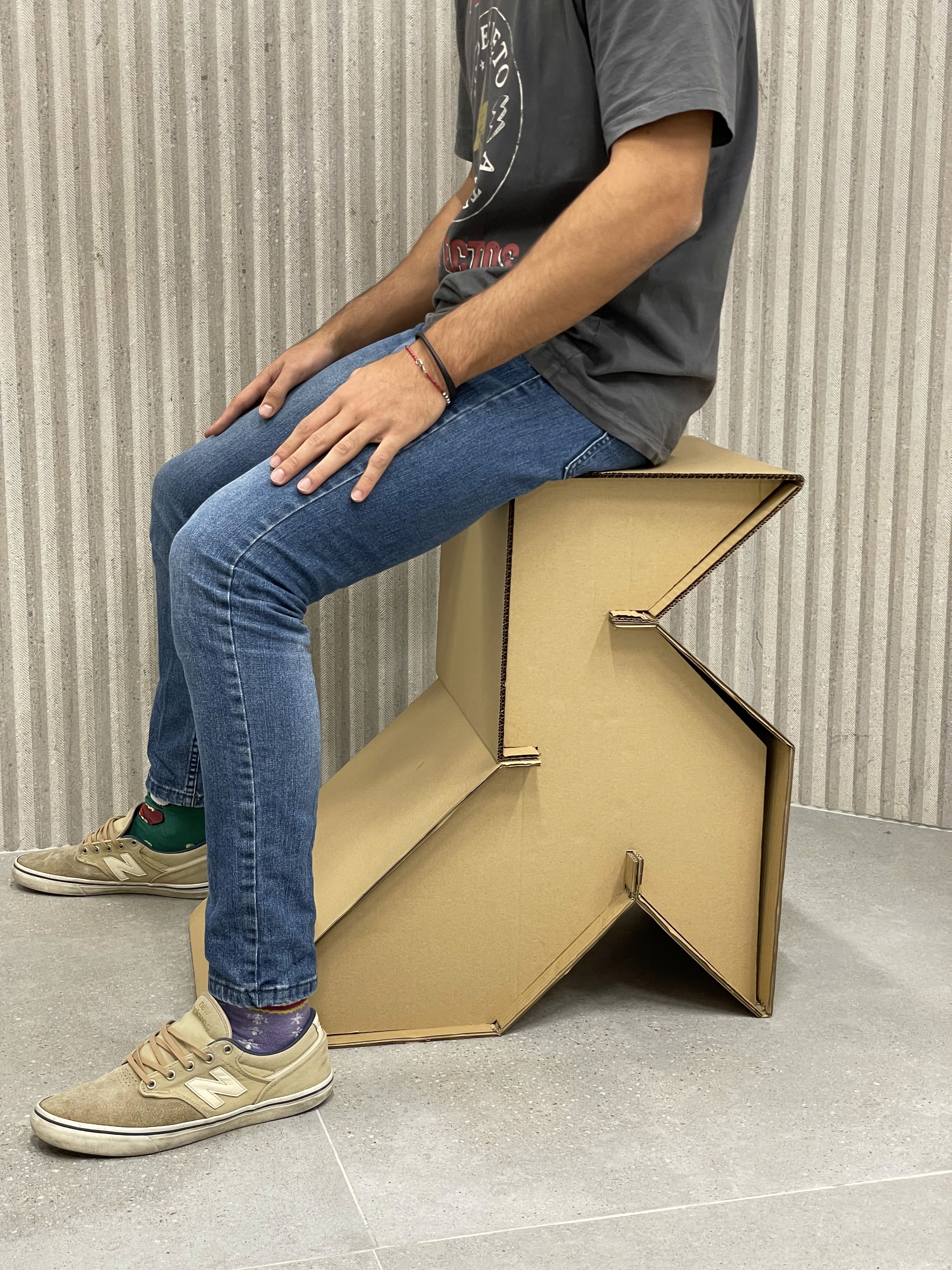
However, not everything can or should be 3D printed. Larger-scale prototypes, such as car interiors, furniture, or structural components, require different approaches. CNC machining, foam cutting, fiberglass molding, and even traditional handcrafting all play a role in bringing big ideas to life. Each technique offers unique advantages, whether it’s the precision of CNC, the speed of foam modeling, or the durability of fiberglass.
Testing, Failing, and Learning
A prototype is never the final product it’s a learning tool. Each iteration provides new insights, uncovering flaws and validating what works. The sooner issues are identified, the easier they are to fix, making prototyping a critical step in avoiding costly mistakes down the line.
Prototyping as a Design Philosophy
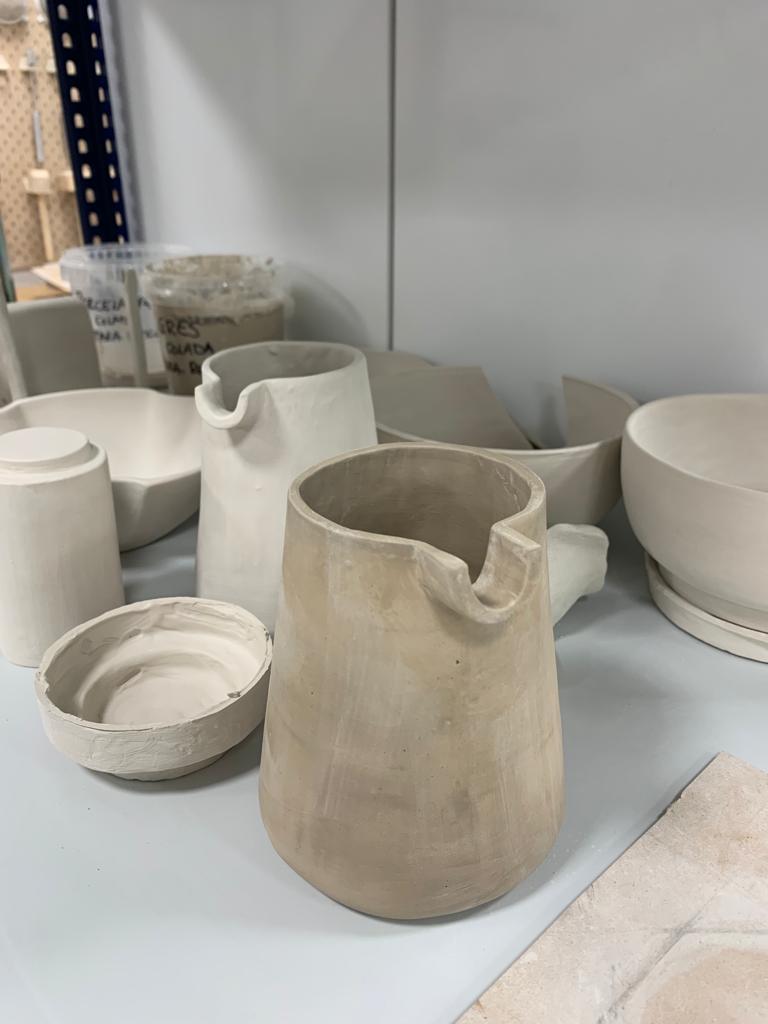
At its core, prototyping isn’t just about building models it’s about embracing an iterative mindset. It encourages exploration, challenges assumptions, and bridges the gap between concept and reality. Whether through 3D printing, CNC machining, or traditional craftsmanship, prototyping is the ultimate way to bring ideas to life in the most tangible and meaningful way possible.